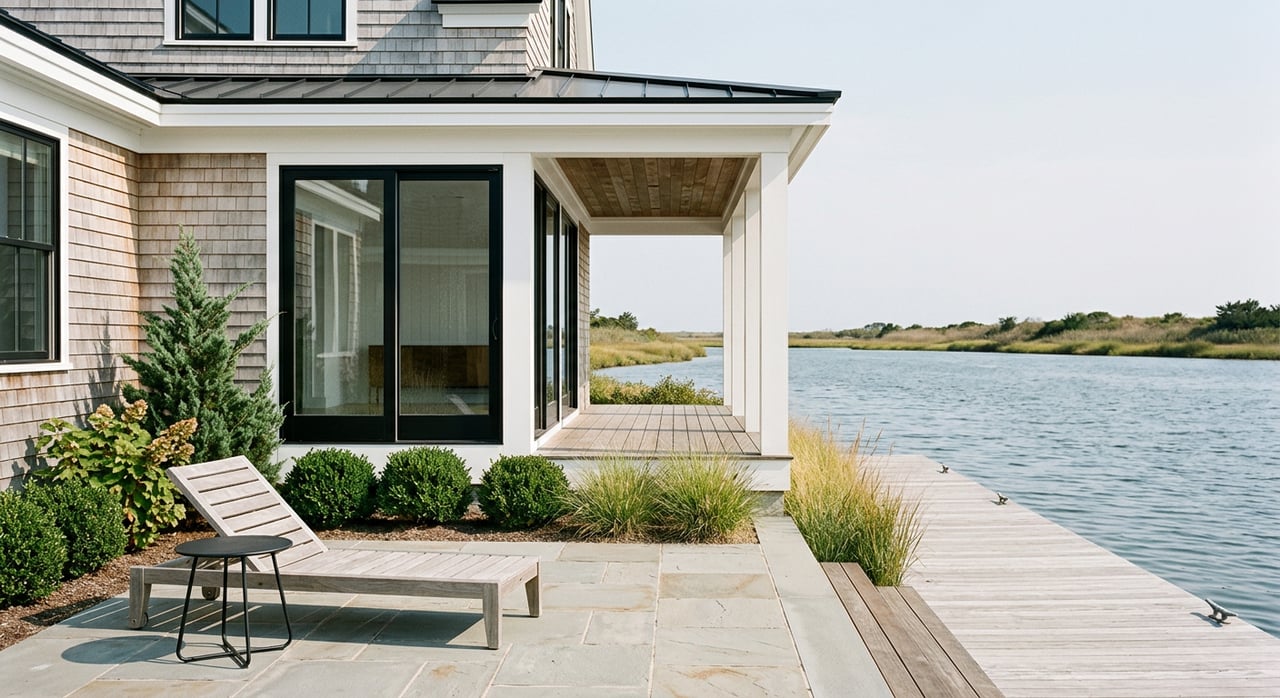
Selling a home on the water in East Moriches is different from selling inland. You are not just listing a house. You are presenting a shoreline lifestyle that buyers dream about. The right preparation can help you answer tough questions, reduce surprises, and secure stronger offers.
In this guide, you will learn what to gather before you list, how permits and inspections work near Moriches Bay, what to expect with flood and homeowners insurance, and how to market the lifestyle safely and effectively. Let’s dive in.
What counts as waterfront or near‑water
In 11940, waterfront typically means your property directly borders Moriches Bay or a tidal creek. Near‑water homes often have immediate access to the bay through neighborhood launches or community rights of way. Buyers here value boat access, private docks or moorings, sunrise and sunset views, and quiet coves.
Because proximity to the bay brings special rules and risks, your listing should be clear about shoreline features, any permits on file, and practical constraints like setbacks or flood zones.
Price context and buyer mindset
East Moriches is a higher‑value pocket on Long Island’s south shore. Waterfront parcels often sell at the top of local price ranges. For specific pricing, your agent will use current MLS data and a property‑specific valuation.
Waterfront buyers shop for lifestyle as much as square footage. They look for documented dock rights, water depth information, bulkhead condition, flood and wind coverage details, and recent septic or elevation improvements. When you provide this upfront, you build confidence and shorten due diligence.
Permits and paperwork to gather now
Waterfront work is regulated at the town, county, state, and federal levels. Get your records in order before you hit the market.
Town of Brookhaven permits
The Town of Brookhaven regulates docks, bulkheads, revetments, dredging, and many shoreline devices. The town’s Wetlands and Waterways application packet explains required plans, surveys, elevations, photos, and design standards. It also outlines side‑yard setbacks, maximum dock lengths, and minimum clearances above wetlands.
Two key tips:
- Do not advertise a private dock or beach as unrestricted unless your permit history and title confirm it.
- If you have a bulkhead, the town expects cross‑section plans and evidence that you considered non‑structural alternatives before structural fixes.
State and federal agencies
- NYSDEC regulates work in and near mapped tidal wetlands. Check whether your shoreline falls within the state tidal wetlands permit program. Wetland boundaries and buffers affect what can be built or replaced.
- The U.S. Army Corps of Engineers oversees many activities in navigable waters. Routine dredging and small‑dock work often require authorization. You can review the New York District’s regulatory public notices to understand typical approvals.
Practical seller steps
- Gather your latest survey showing shoreline features and any visible high or low water lines.
- Request your property file and issued permits from the Town’s Division of Environmental Protection.
- Compile plans and approvals for any dock, bulkhead, or dredging work. Include contractor invoices and maintenance logs.
- If documents are missing, note that clearly. Use neutral language about features that may require permits or restoration.
Inspections buyers expect
Specialty inspections help you address questions early and aid marketing. Consider the following before listing:
- Marine structural check. Have a marine contractor or coastal engineer assess your bulkhead, seawall, and dock. Buyers want to understand scour, corrosion, and tie‑ins to neighbors. Town records may require stabilization and planting after work, which you can reference from the Brookhaven packet.
- Certified land survey. Confirm property lines, distances to mean or apparent high water, and any encroachments. A current survey is often needed for permits and loan underwriting.
- Elevation certificate. A FEMA elevation certificate helps with flood insurance rating and any LOMA or LOMR requests. Learn more in FEMA’s flood map resources and LOMA guidance.
- Septic and wastewater review. Many coastal homes in Suffolk use onsite systems. Buyers may ask about upgrades to nitrogen‑reducing systems. Suffolk County’s Septic Improvement program offers rebates and guidance. See the county’s Reclaim Our Water program and gather your permits, pump logs, and service records.
Flood and insurance basics
Lenders require flood insurance if your home is in a FEMA Special Flood Hazard Area. You can check your zone using FEMA’s Flood Map Service Center. An elevation certificate often clarifies whether coverage is required and what premiums may look like.
Homeowners policies for coastal Suffolk often include separate wind or hurricane deductibles, typically shown as a percentage of the dwelling value. The New York Department of Financial Services explains these deductibles and disclosure rules in its consumer guide to basic coverage. Buyers will also ask whether you carry a separate flood policy and what it costs. Expect to provide quotes early in the contingency period.
Private flood insurers sometimes offer options beyond NFIP with varying limits and pricing. Availability is property specific. Coordinate with your agent so buyer prospects can obtain quick, apples‑to‑apples quotes.
Marketing that moves waterfront buyers
Presentation is everything online, especially with water. Invest in visuals that show the lifestyle:
- Lead with exteriors that show how the home meets the shoreline. Include at least one twilight view to capture outdoor living and reflections.
- Commission drone aerials and a short cinematic video to show orientation, channels, inlets, and proximity to public beaches. Commercial drone work requires an FAA‑licensed pilot. Hire pros with a Part 107 Remote Pilot Certificate.
- Stage the shoreline like a room. Remove worn dock hardware, tidy boat service areas, and set up seating zones. The National Association of Realtors reports that polished presentation often shortens time on market and can improve offers. See the latest findings in NAR’s 2025 Profile of Home Staging.
What to highlight in copy:
- Documented dock rights, number of slips, and any dredging or depth information you can support.
- Age and condition of the bulkhead with contractor documentation.
- Flood resilience or mitigation you have completed, such as vents or elevated systems.
- Septic upgrades or available Suffolk County rebates.
- Access to community amenities and local beaches, described factually.
Avoid promises you cannot prove. If a feature requires permitting or a review, say so plainly and reference your documentation timeline.
Pre‑listing checklist
Assemble a clean, organized packet for buyers and their lenders:
- Current certified survey showing shoreline and any apparent high or low water line.
- Copies of Town of Brookhaven, Suffolk County, NYSDEC, and USACE permits or letters for docks, bulkheads, and dredging. Use the town’s Wetlands and Waterways packet as your reference.
- FEMA elevation certificate and any flood insurance records or past claims, plus any LOMA or LOMR documents if applicable. See FEMA’s LOMA page.
- Septic permits, service logs, and any I/A OWTS upgrade paperwork or grants. Review the county’s Reclaim Our Water resources.
- Contractor records for marine repairs and any structural or engineering reports.
- Title commitment and any HOA or community waterfront access rules and slip assignments.
Suggested prep timeline
- Week 0 to 2: Choose your listing agent. Request your Town and County files, order survey and elevation certificate quotes, and gather septic and insurance documents.
- Week 2 to 4: Complete specialty inspections for bulkhead, dock, and septic. Schedule professional photography and a Part 107 drone pilot. Confirm any permit updates.
- Week 3 to 5: Finalize disclosures and a concise waterfront factsheet. Launch with visuals that lead with the water, and copy that balances lifestyle with documented details.
Common buyer questions to prepare for
- Flood risk and costs. Provide your elevation certificate, current policy details, and any LOMA materials. Share quotes if available so buyers can assess options using the FEMA maps.
- Dock and bulkhead condition. Include a recent marine evaluation and any repair estimates. Note that most structural work will need Town permits per the Brookhaven standards.
- Septic system status. Offer maintenance logs and any upgrade documentation. If the system is older, point to potential Suffolk County assistance through Reclaim Our Water.
- Shoreline rights and use. Be clear about what is deeded, what is shared, and what is subject to wetlands or public trust rules. Recommend a local title or land‑use attorney for definitive answers.
Work with a shoreline‑savvy team
Selling a waterfront or near‑water home in East Moriches takes preparation, clear communication, and the right marketing. When you combine accurate permits and inspections with standout visuals, you help buyers fall in love with the lifestyle and feel confident about the details.
If you are thinking about selling, we can help you gather the right documents, position your home clearly, and reach qualified coastal buyers through Corcoran’s national platform. Connect with The Hampton Edge Team for a friendly consult or to get your free, no‑pressure valuation.
FAQs
What documents do I need before listing a waterfront home in East Moriches?
- Gather a current survey, Town and NYSDEC permits, any USACE approvals, a FEMA elevation certificate, septic records, and marine contractor reports so buyers and lenders can review quickly.
How do Brookhaven permits affect my sale if I have a dock or bulkhead?
- The Town regulates shoreline structures and may require permits for repairs or replacements; having the Wetlands and Waterways packet and your permit history ready helps avoid delays.
Do I need flood insurance to sell my home?
- You do not need coverage to list, but lenders often require it if your property is in a FEMA Special Flood Hazard Area; check your zone on the FEMA Flood Map Service Center.
What is a hurricane deductible on a homeowners policy in Suffolk?
- Many coastal policies include wind or hurricane deductibles set as a percentage of dwelling value; the state’s DFS consumer guide explains how these work and what insurers must disclose.
Can I market my dock if my permits are old or missing?
- Use neutral language and do not promise rights you cannot document; confirm your permit file with the Town and state, and be prepared to describe the status factually.
How long should I plan to prepare before going live?
- Many sellers spend three to five weeks gathering records, completing inspections, and producing visuals; ordering surveys and elevation certificates early keeps the timeline on track.