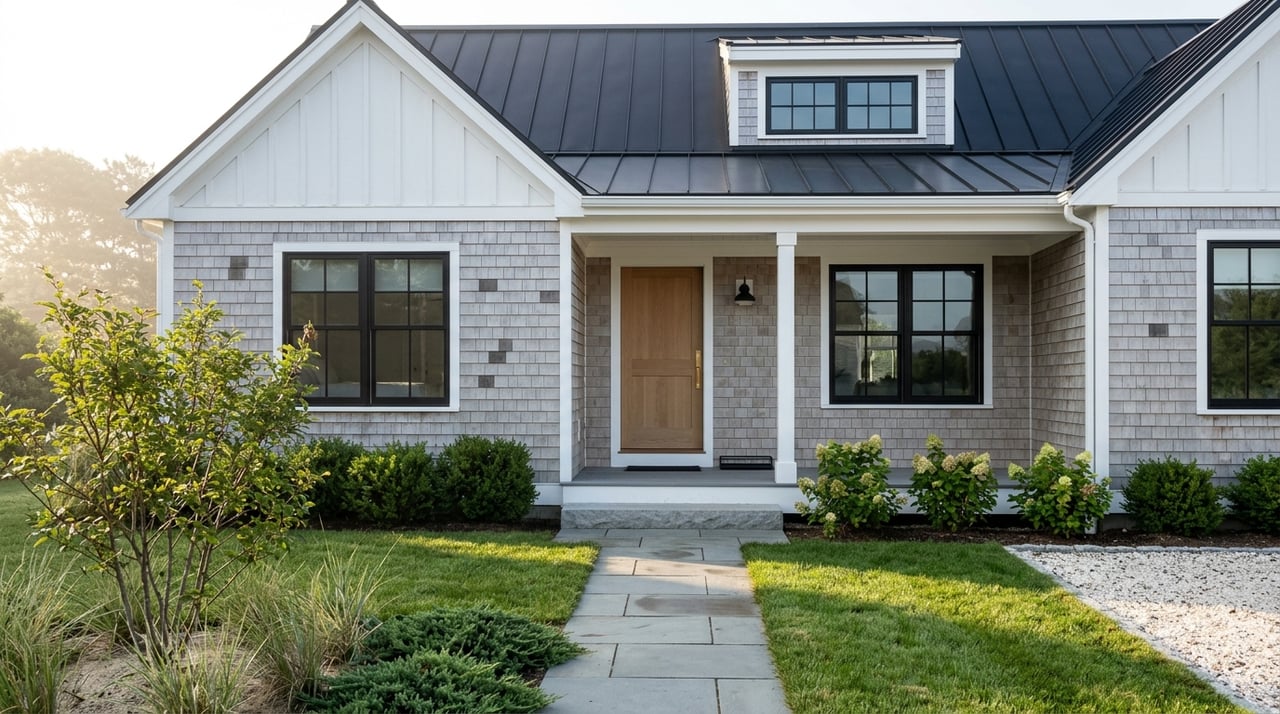
Wondering why some canal-front homes in Hampton Bays move with confidence while others get bogged down in questions? Waterfront buyers tend to look beyond the kitchen and living room. They are also evaluating dock access, shoreline improvements, flood-zone details, and how much uncertainty comes with the property. If you are thinking about selling, a little early preparation can protect your timeline, support your price, and make your home easier for buyers to say yes to. Let’s dive in.
Why canal-front sales are different
Selling a canal-front home in Hampton Bays is not quite the same as selling an inland property. Buyers often view it as both a place to live and a waterfront asset, which means they tend to ask more detailed questions early in the process.
That is especially important in a market like Hampton Bays, where current data points to solid value but selective buyer behavior. Recent snapshots show median listing prices around $1.31 million, roughly 147 homes for sale, about 92 days on market, and a 97% sale-to-list ratio. Separate closed-sale data for the three months ending April 2026 showed a median sale price near $960,000 and average days on market around 80, while waterfront listings were tracking at a median list price of about $1.2 million.
Because those figures come from different datasets, they are best used as general market context instead of direct one-to-one comparisons. Still, they tell a clear story: buyers are active, but they are paying attention. In a canal-front sale, details matter.
What buyers focus on most
Dockage and water access
For many buyers, the first question is simple: how usable is the waterfront? They often compare dockage, ease of access to open water, and whether the setup feels practical for their boating needs and day-to-day use.
If your home has a dock, bulkhead, catwalk, or other shoreline features, buyers may want to know not just that they exist, but whether the work was properly documented. The cleaner your records, the easier it is to answer those questions without slowing momentum.
Bulkhead and shoreline condition
Bulkhead condition can affect both value and buyer comfort. Even when a buyer loves the home, uncertainty about shoreline structures can lead to pricing pressure, added due diligence, or delayed negotiations.
That is why any available engineering reports, repair records, or permit history can be helpful before your listing goes live. A well-prepared file gives buyers more confidence in what they are seeing.
Lot function and outdoor living
Canal-front buyers usually pay close attention to how the whole property works. They may look at parking, circulation, outdoor seating areas, sight lines to the water, and whether the lot feels easy to enjoy after move-in.
In many waterfront sales, outdoor living is a major part of the value story. Clean presentation, uncluttered decks and yards, and well-photographed water-facing spaces can make a meaningful difference in how buyers respond online.
Gather permits and documents early
One of the smartest things you can do before listing is organize the paperwork tied to shoreline work. In Hampton Bays, that often means looking closely at Southampton Town and New York State requirements.
Southampton Town permit history
Southampton Town Trustees require permits for work in town waters involving docks, moorings, bulkheads, catwalks, walkways, stairs, sand fencing, dredging, and other shoreline structures. For new work or replacement structures, the Trustees may require a recent survey prepared by a New York State licensed surveyor, plans, site photographs, and copies of any covenants or restrictions.
If demolition is involved, applications can also require deed documentation and a structural engineering report. For sellers, the takeaway is straightforward: if your property has a shoreline improvement history, gather the related records before buyers start asking for them.
DEC wetlands review
New York State Department of Environmental Conservation rules can also affect canal-front homes in tidal wetlands and adjacent areas. DEC regulates activities that alter tidal wetlands or nearby areas, including docks, piers, wharves, bulkheads, boat ramps, dredging, and shoreline stabilization.
Even repair or modification work can matter. DEC notes that changes like adding or repositioning pilings may trigger permit review, so it is worth confirming what was done and whether the proper approvals were obtained.
What to include in your pre-list file
A strong pre-list package for a canal-front home often includes:
- A current survey
- Dock and bulkhead permits
- Engineering reports, if available
- As-built plans, if available
- Easements, covenants, or restrictions
- Flood-zone documentation
- Insurance claim history or repair records related to waterfront issues
This kind of preparation is not just administrative. It helps answer common waterfront questions early and can reduce the chance that missing records stall attorney review or buyer due diligence.
Check flood-zone status before pricing
Floodplain status is one of the most important issues in any waterfront sale. It can affect buyer perception, insurance expectations, and sometimes financing.
Why flood status matters
FEMA identifies Special Flood Hazard Areas as locations with a one percent annual-chance flood risk. Over the life of a 30-year mortgage, FEMA states that a home in one of these areas has a 26% chance of suffering flood damage.
New York guidance also makes clear that development within a FEMA-mapped Special Flood Hazard Area requires a local floodplain development permit, in addition to other approvals that may apply. These matters are usually handled locally through the building inspector or code enforcement process.
Insurance questions buyers will ask
New York’s disclosure materials note that homes in a Special Flood Hazard Area with mortgages from federally regulated or insured lenders must obtain and maintain flood insurance. They also note that a standard homeowners policy typically does not cover flood damage.
For pricing, this matters because insurance costs can shape how buyers evaluate affordability. DEC also notes that elevation relative to base flood elevation can materially affect flood insurance cost, which is one more reason to clarify flood-zone and elevation-related information early.
Understand New York disclosure rules
In New York, the Property Condition Disclosure Statement must be delivered to the buyer or the buyer’s agent before the buyer signs a binding contract of sale, unless a statutory exemption applies. For waterfront sellers, this form deserves close attention.
What the disclosure form asks about
The form is not a warranty, but it does ask about issues that commonly come up in canal-front transactions. That includes title matters, shared features such as walls, fences, or driveways, utility assessments, certificates of occupancy, and flooding or drainage problems.
It also encourages buyers to review public records such as tax records, wetland maps, FEMA flood maps, and elevation certificates. If you learn that something on the statement has become materially inaccurate before title transfers, a revised statement is required.
Drainage and standing water issues
If your property has had drainage challenges or standing water concerns, this is not the place to be vague. The New York disclosure form specifically asks about flooding and drainage conditions.
Clear, accurate disclosure helps build trust and can reduce the risk of conflict later in the transaction. On a waterfront property, buyers tend to be especially alert to anything involving water movement, runoff, or site conditions.
Price against waterfront reality
Pricing a canal-front home should be grounded in comparable waterfront sales, not inland comps alone. Buyers usually assign value differently when a property includes dockage, shoreline structures, water views, and flood-related considerations.
A home with strong water access, documented improvements, and a clean presentation may compete very differently from a similar-sized inland home. On the other hand, uncertainty around permits, shoreline condition, or insurance expectations can weigh on value even if the house itself shows well.
That is why pricing strategy should reflect the whole waterfront picture. The goal is not just to attract attention, but to attract the right buyers at the right level of confidence.
Stage the waterfront lifestyle
When you are selling a canal-front property, presentation should help buyers picture how the home lives both inside and out. According to the National Association of Realtors’ 2025 staging report, buyers place strong value on listing photos, physical staging, video tours, and virtual tours. The report also found that 83% of buyers’ agents said staging made it easier for buyers to visualize a property as a future home.
Focus on outdoor spaces first
Outdoor areas are among the most commonly staged spaces, and that makes sense for a Hampton Bays canal-front listing. If the water is part of the reason someone will buy your home, your photos and showing plan should bring that feature forward.
That does not mean over-styling. It usually means decluttering, cleaning, sharpening curb appeal, refreshing landscaping, and making decks, patios, docks, and water-facing seating areas feel open and usable.
Support the view with clean interiors
Inside the home, buyers still want clean, bright, honest presentation. Minor repairs, depersonalizing, and full-home cleaning can go a long way, especially when your marketing starts online.
The best waterfront listings often lead with water views, dock access, and outdoor living, then support that story with interior photos that feel calm, simple, and move-in ready. That combination can help your home stand out in a selective market.
A smoother sale starts before listing
The strongest canal-front sales usually begin well before the first showing. When you verify permits, confirm flood-zone status, organize waterfront records, and prepare the home to photograph beautifully, you remove friction from the process.
That kind of planning also gives you a better foundation for pricing and negotiation. Buyers do not just want a beautiful waterfront home. They want clarity, too.
If you are getting ready to sell in Hampton Bays, the right strategy is equal parts preparation, presentation, and local insight. For thoughtful guidance on pricing, waterfront positioning, and high-touch listing support, connect with The Hampton Edge Team.
FAQs
What documents should you gather before selling a canal-front home in Hampton Bays?
- A strong starting file includes a current survey, dock and bulkhead permits, engineering reports if available, as-built plans if available, flood-zone documentation, insurance claim or repair history, and any easements, covenants, or restrictions.
Does a Hampton Bays canal-front seller need to verify dock or bulkhead permits?
- Yes. Southampton Town Trustees require permits for many shoreline structures and work in town waters, and DEC rules may also apply in tidal wetlands or adjacent areas.
How does flood-zone status affect a canal-front home sale in Hampton Bays?
- Flood-zone status can affect buyer questions, insurance expectations, and sometimes financing. Homes in a Special Flood Hazard Area may also require flood insurance if the buyer has a qualifying mortgage.
Do New York sellers need to disclose drainage issues at a waterfront home?
- Yes. The New York Property Condition Disclosure Statement asks about flooding and drainage problems, and sellers must provide the form before a buyer signs a binding contract unless an exemption applies.
Is staging worth it for a Hampton Bays waterfront listing?
- In many cases, yes. Staging-related improvements such as cleaning, decluttering, outdoor preparation, and strong photography can help buyers better visualize the home and respond more positively online.
Should you price a canal-front home using inland comparable sales?
- Not by themselves. Waterfront pricing should account for canal access, dockage, shoreline condition, flood-zone factors, and the overall utility of the waterfront features.